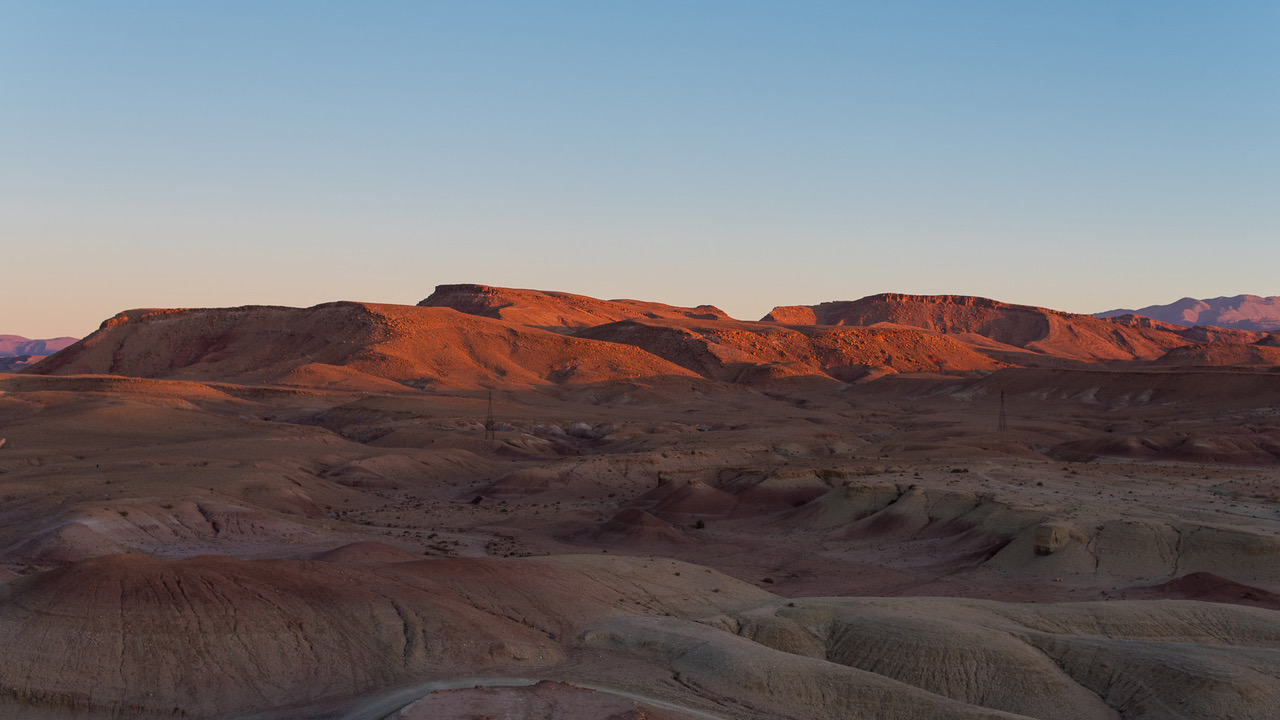
Morocco
„You start in the heart of the Atlas. You finish under the stars of the Sahara. In between lies a change you do not know yet.”
We work with people.
before we offer it to you.
Always.
Morocco – where mountains touch the sky
And the desert tells its secrets.
Begin your trek to the summit of Jebel Toubkal (4,167 m), where the panorama of the Atlas takes your breath away. Cross the Todra gorges, discover the magical Rose Valley, and spend a night in the Sahara under the stars in a Berber camp. It is a journey whose images and scents will stay with you forever.
Future editions of this expedition may be led by
Each of us walks this route personally before inviting anyone else.

Eight days, three landscapes, one story.
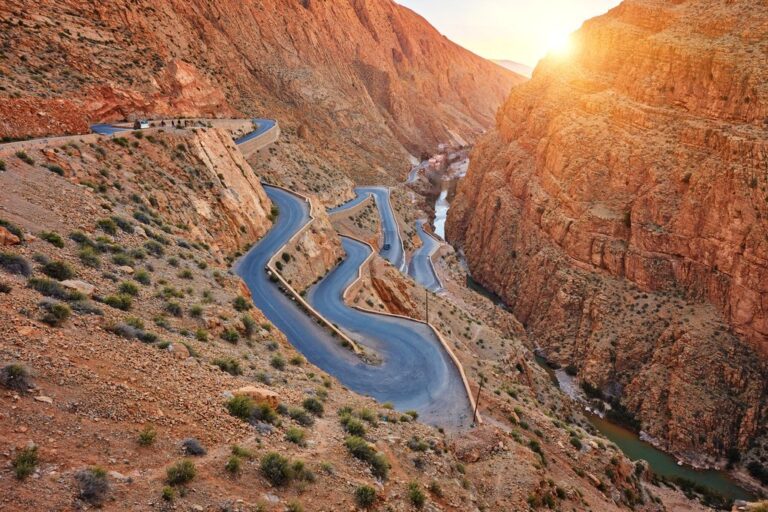
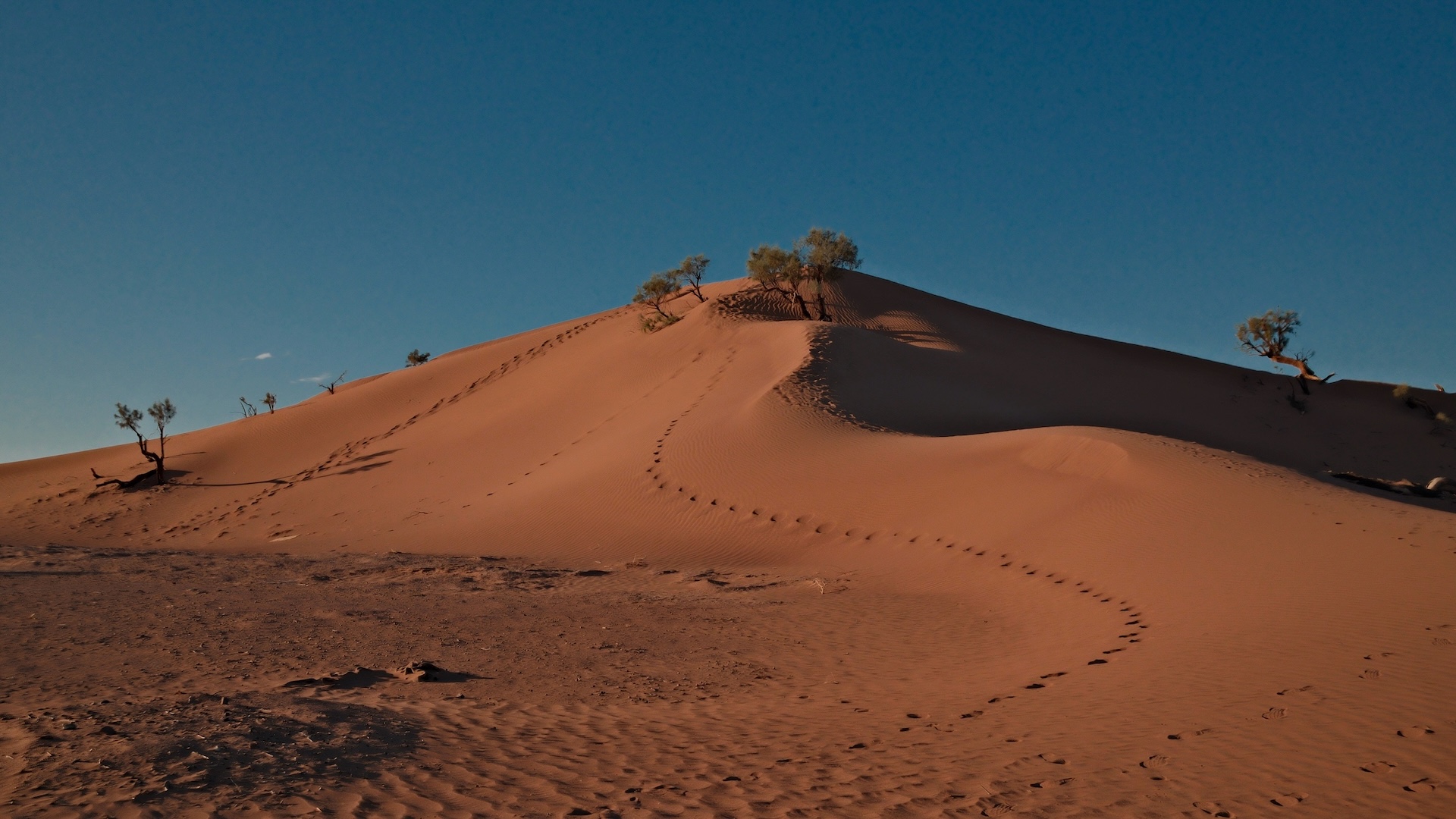
The summit of Toubkal at 4,167 m, the highest in North Africa. Two faces of the Sahara: the silence of a luxury camp deep in Erg Chigaga, and a caravan of a dozen camels entering the dunes of Merzouga at sunset. The Todra Gorge, the kasbah of Aït Ben Haddou, and finally the Atlantic and the white town of Essaouira. This is not a sightseeing tour: it is three worlds of one country, connected by a single road.
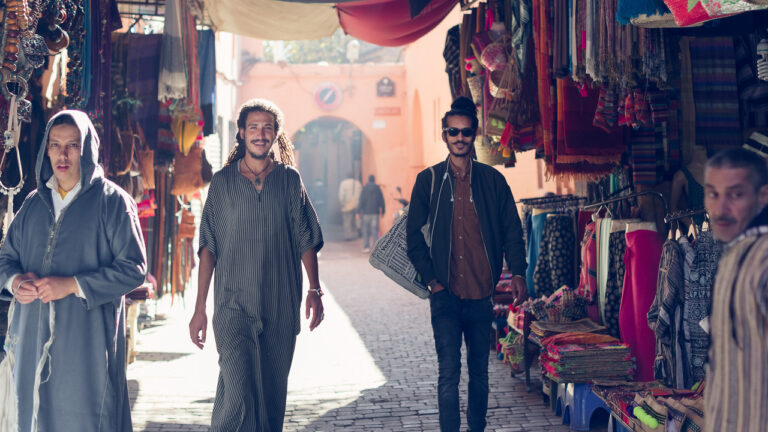
Flight from Warsaw to Marrakech, the red city at the foot of the Atlas Mountains, where the first impression is sensory rather than visual: the scent of spices, charcoal smoke, the call of the muezzin. Transfer to a riad in the medina and a short rest. In the evening, a first walk and a welcome dinner, where your leader presents the route. Tomorrow the asphalt ends and the mountain begins.
Overnight: riad in the Marrakech medina
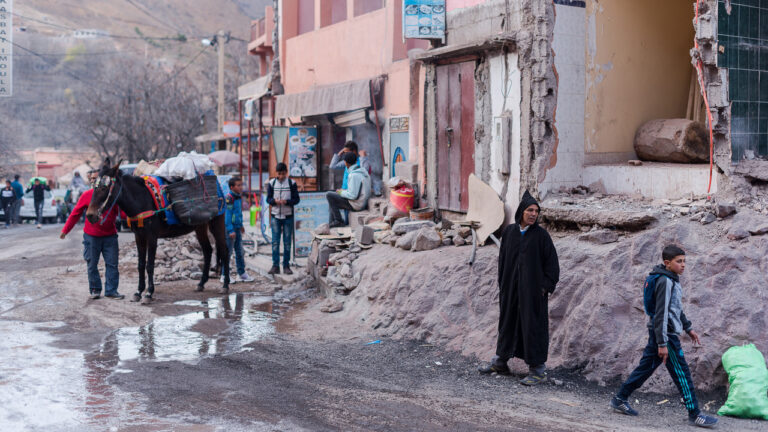
Imlil
Berber village, 1,740 m, gateway to Toubkal
Overnight: guesthouse in Imlil
About 6 h, the valley and Aroumd
Refuge: 3,207 m, basic mountain comfort
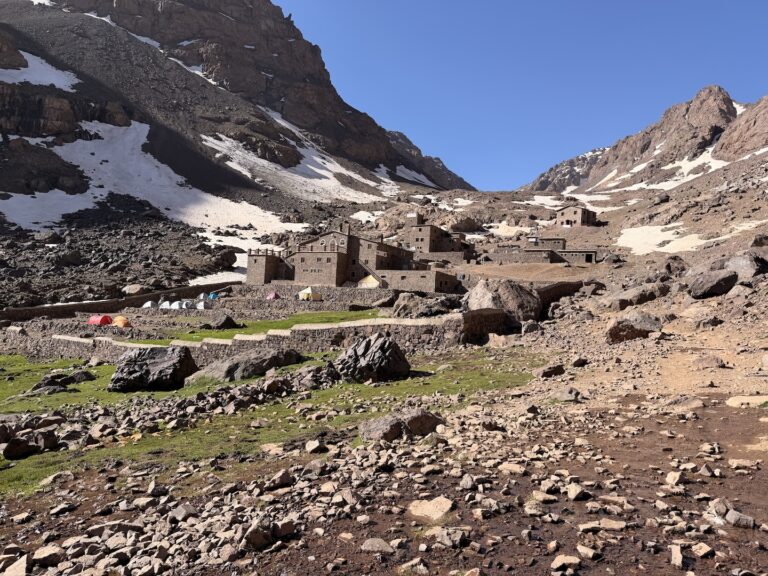
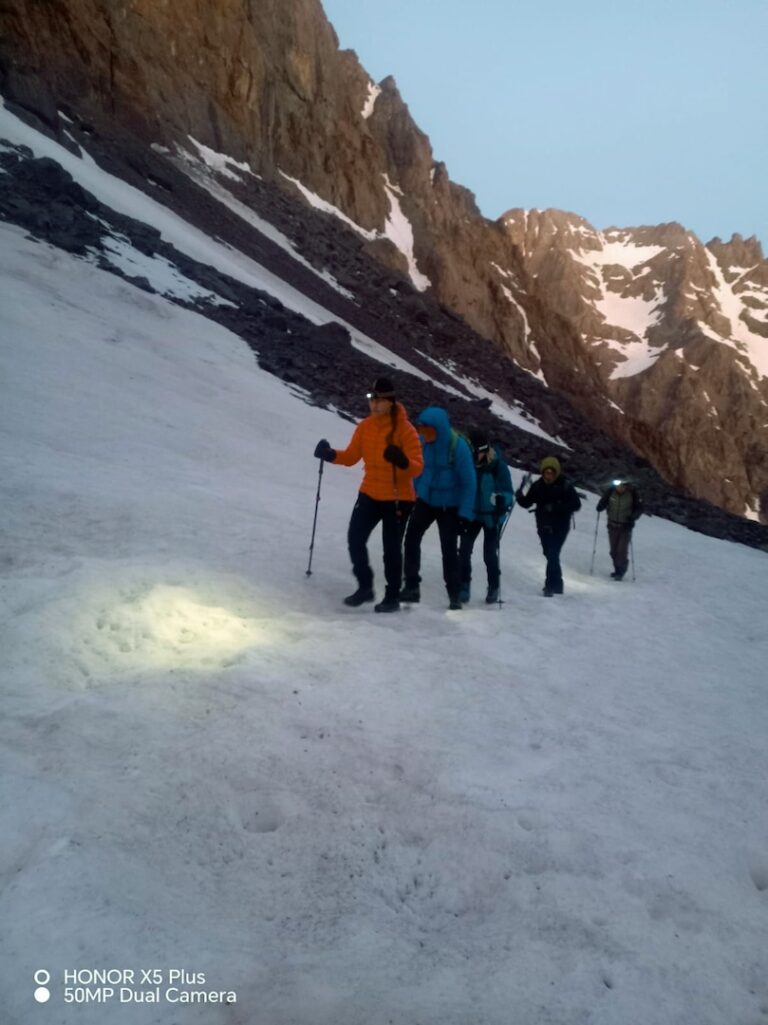
We set out in the dark, headlamps on. Four to five hours of ascent up steep scree to the summit of Toubkal, 4,167 m, the highest peak in North Africa. At dawn you can see the Atlas, the Sahara and, on a good day, the Atlantic. You stand where Africa begins or ends, depending on how you count.
Descent to the refuge, a short rest, then down to Imlil. There, something no other programme offers awaits you: a local hammam. Steam, warmth, black soap, a scrub. The hammam washes the fatigue out of you. That night you sleep better than you have in months.
Summit push
4–5 h of ascent, night start
Toubkal
4,167 m, the highest peak in North Africa
Hammam: local, recovery after the descent
Character
A day that stays in your legs and in your head
Overnight: guesthouse in Imlil
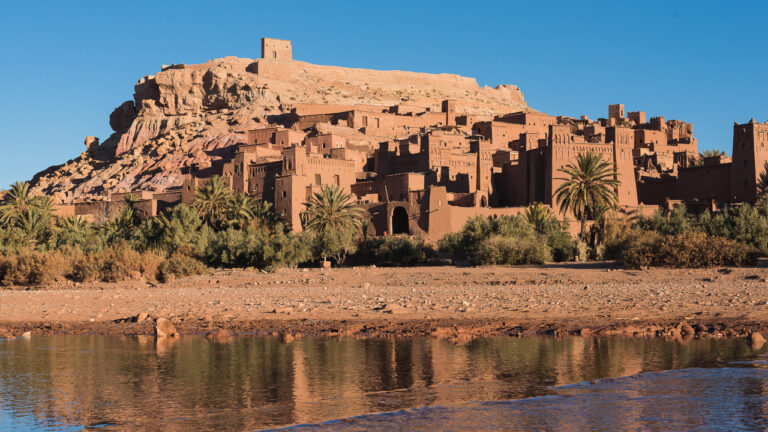
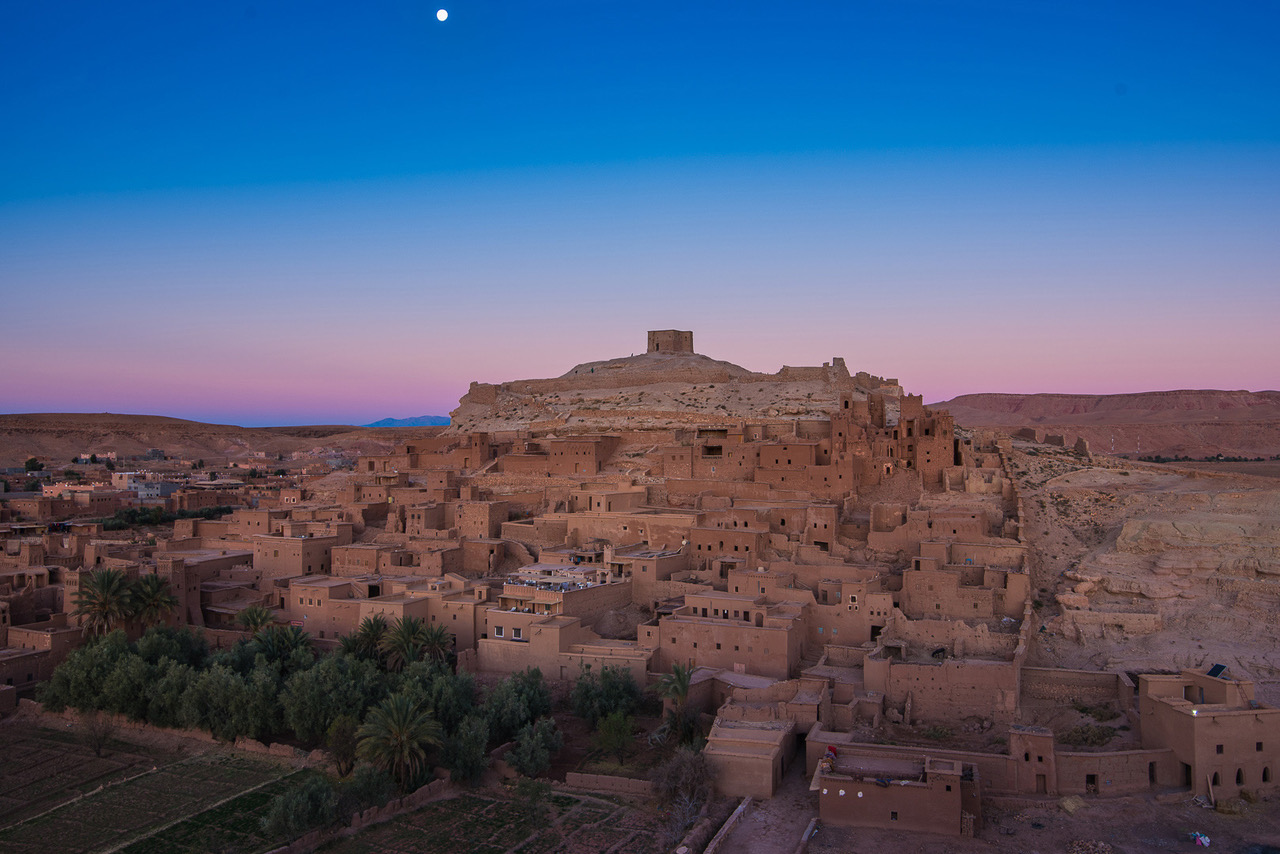
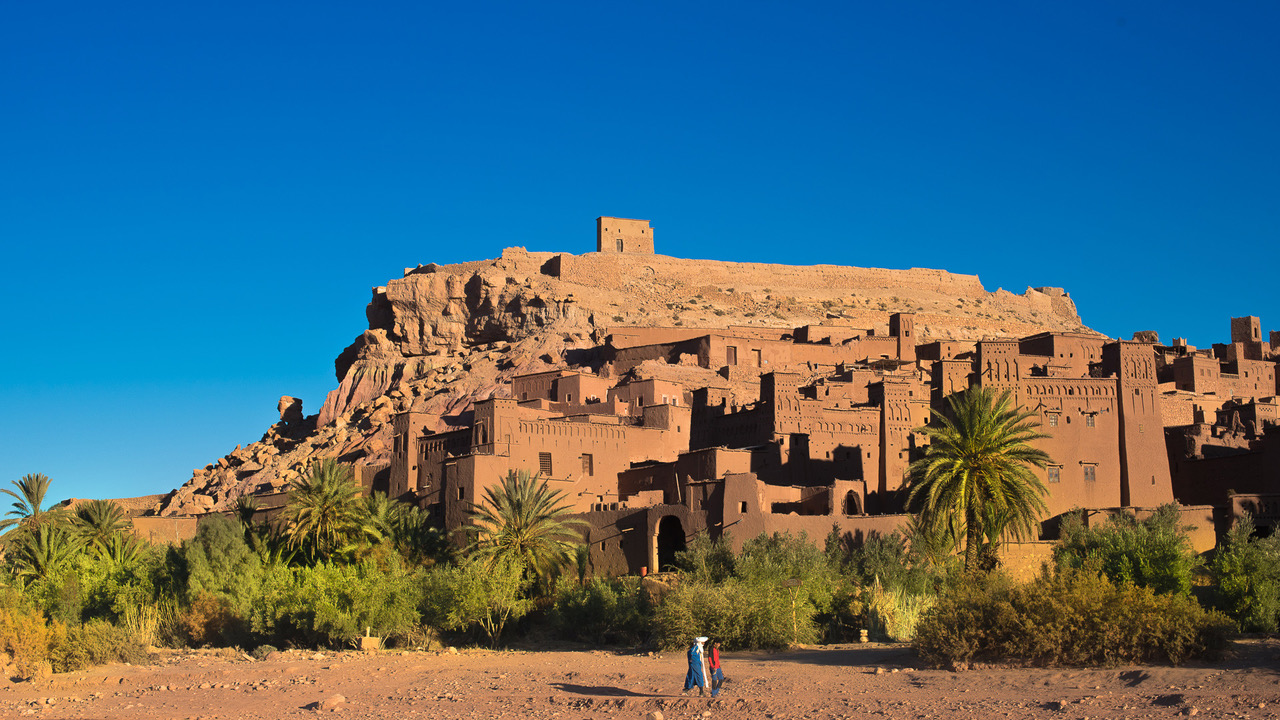
We descend from the mountains and head south towards the Sahara. On the way, Aït Ben Haddou: a kasbah of red clay and straw, a UNESCO World Heritage site. You have seen this kasbah a thousand times even if you do not know it: Gladiator, Game of Thrones, The Mummy and countless others were filmed here. A local guide leads us through the narrow alleys of the ksar all the way to the top.
Aït Ben Haddou
Clay kasbah, UNESCO listed, local guide
Overnight: kasbah / hotel near Aït Ben Haddou
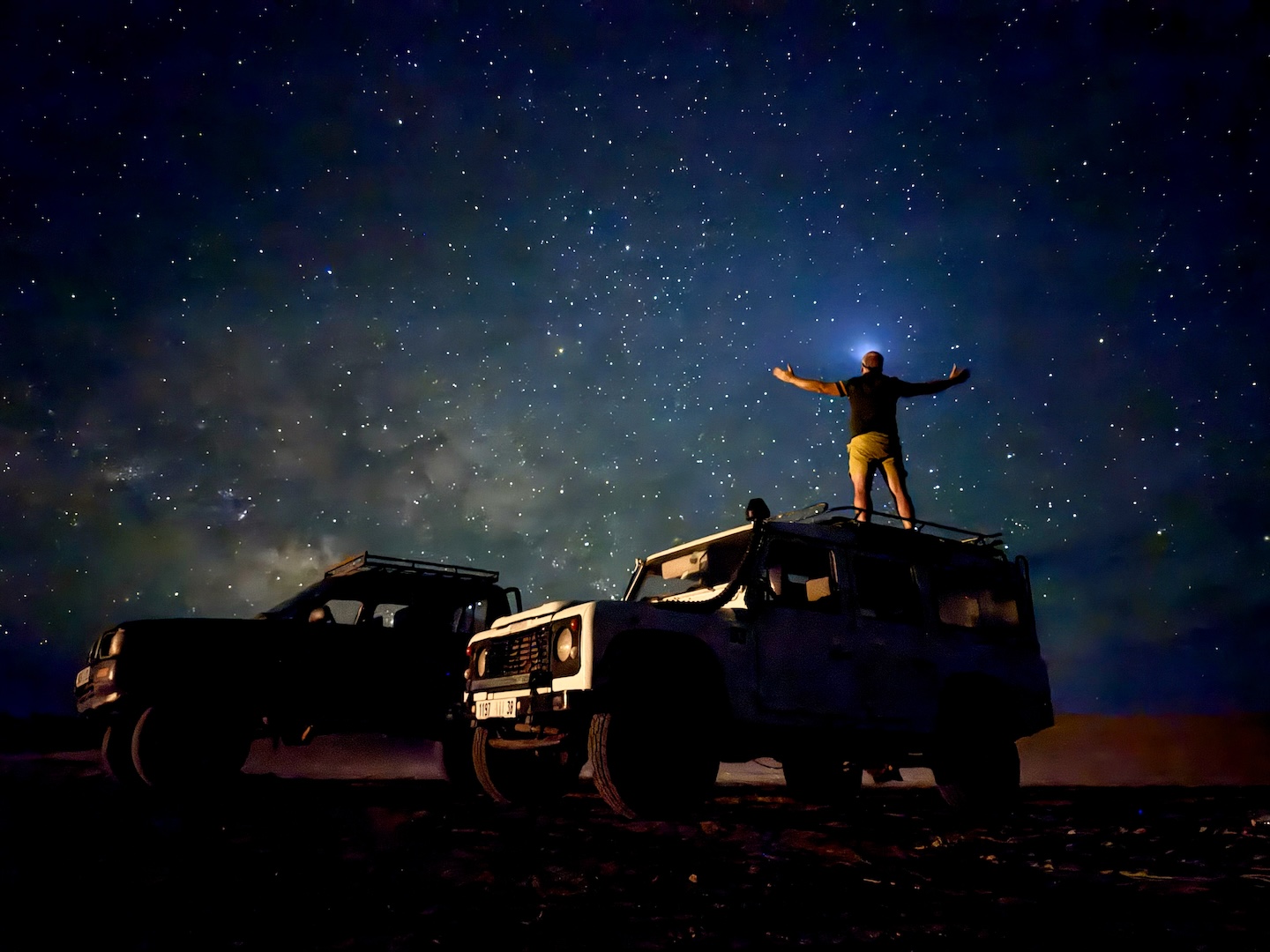
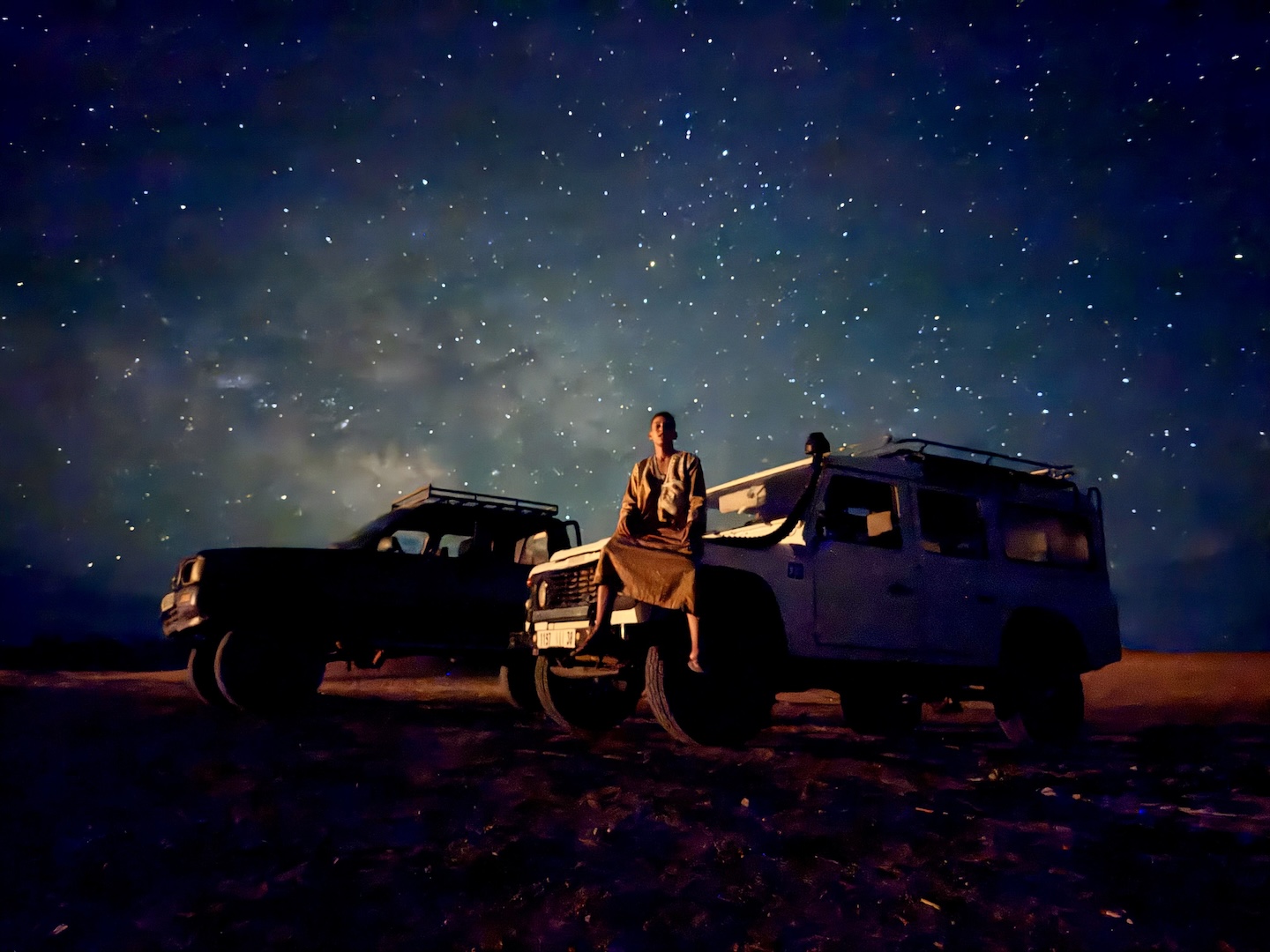
A sky you will not see anywhere in Europe.
Erg Chigaga
The most remote erg of the Moroccan Sahara, 4×4 only
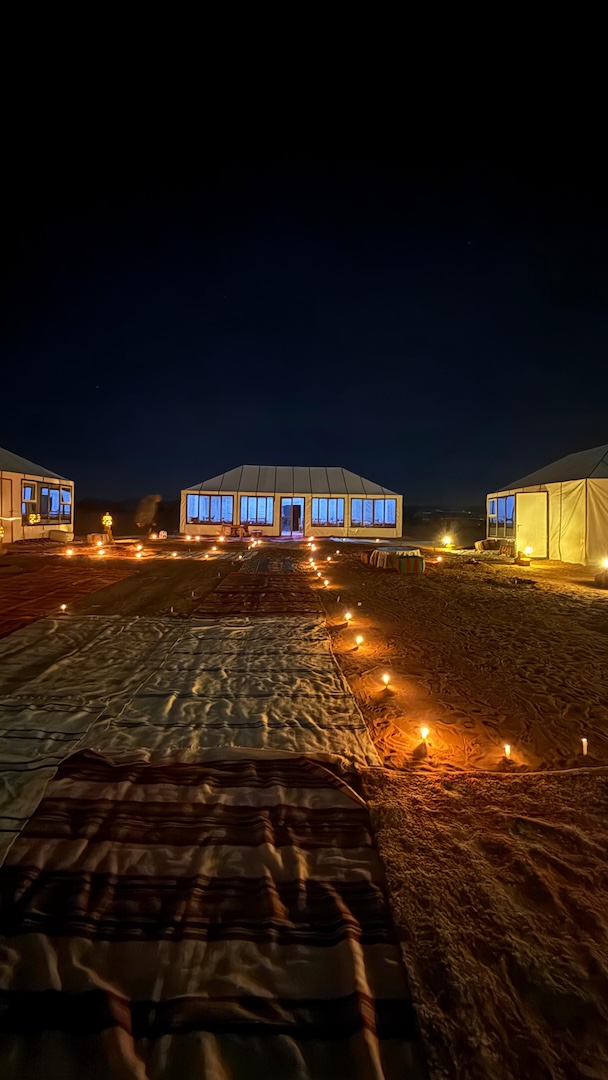
Camp: luxury camp with proper beds, dinner, silence
Sky: zero light pollution
Overnight: Erg Chigaga luxury camp
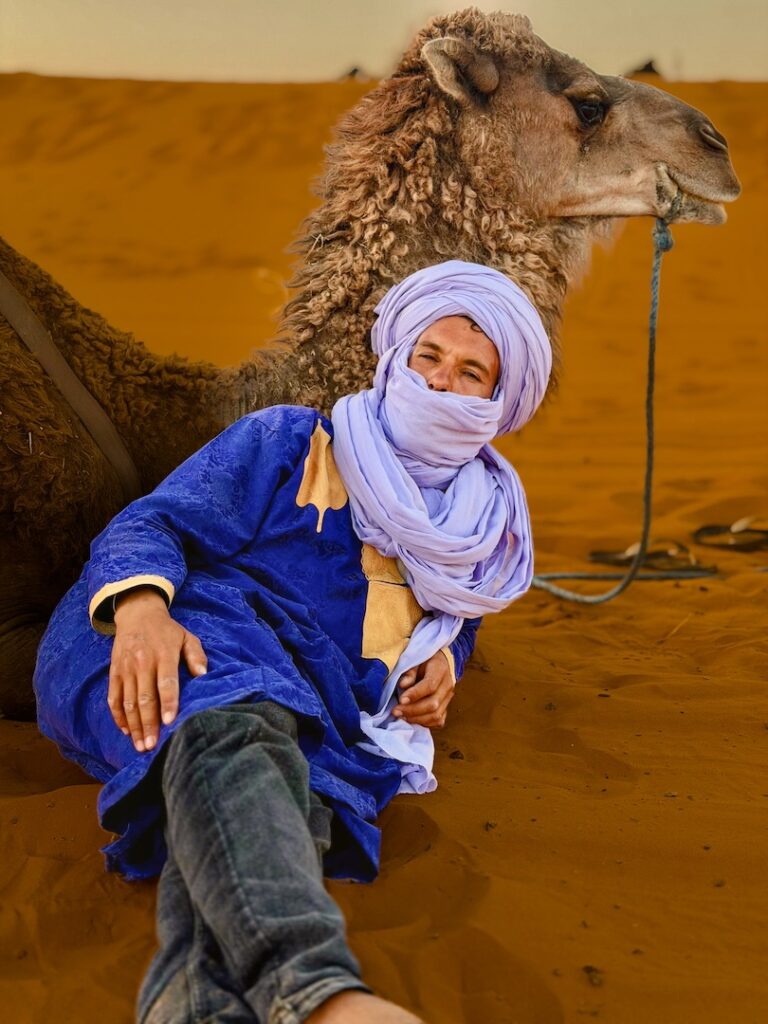
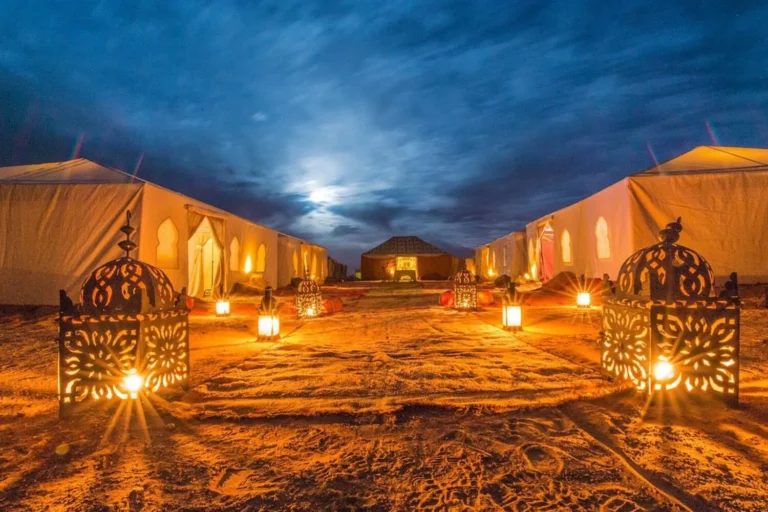
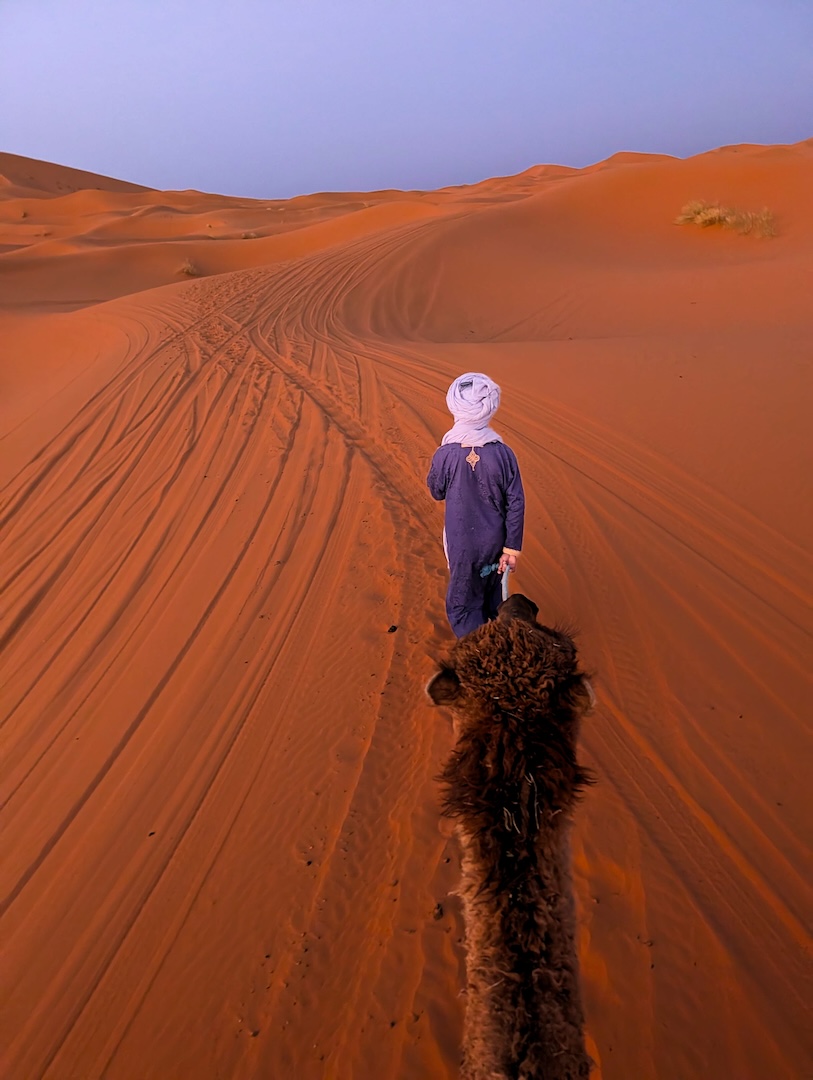
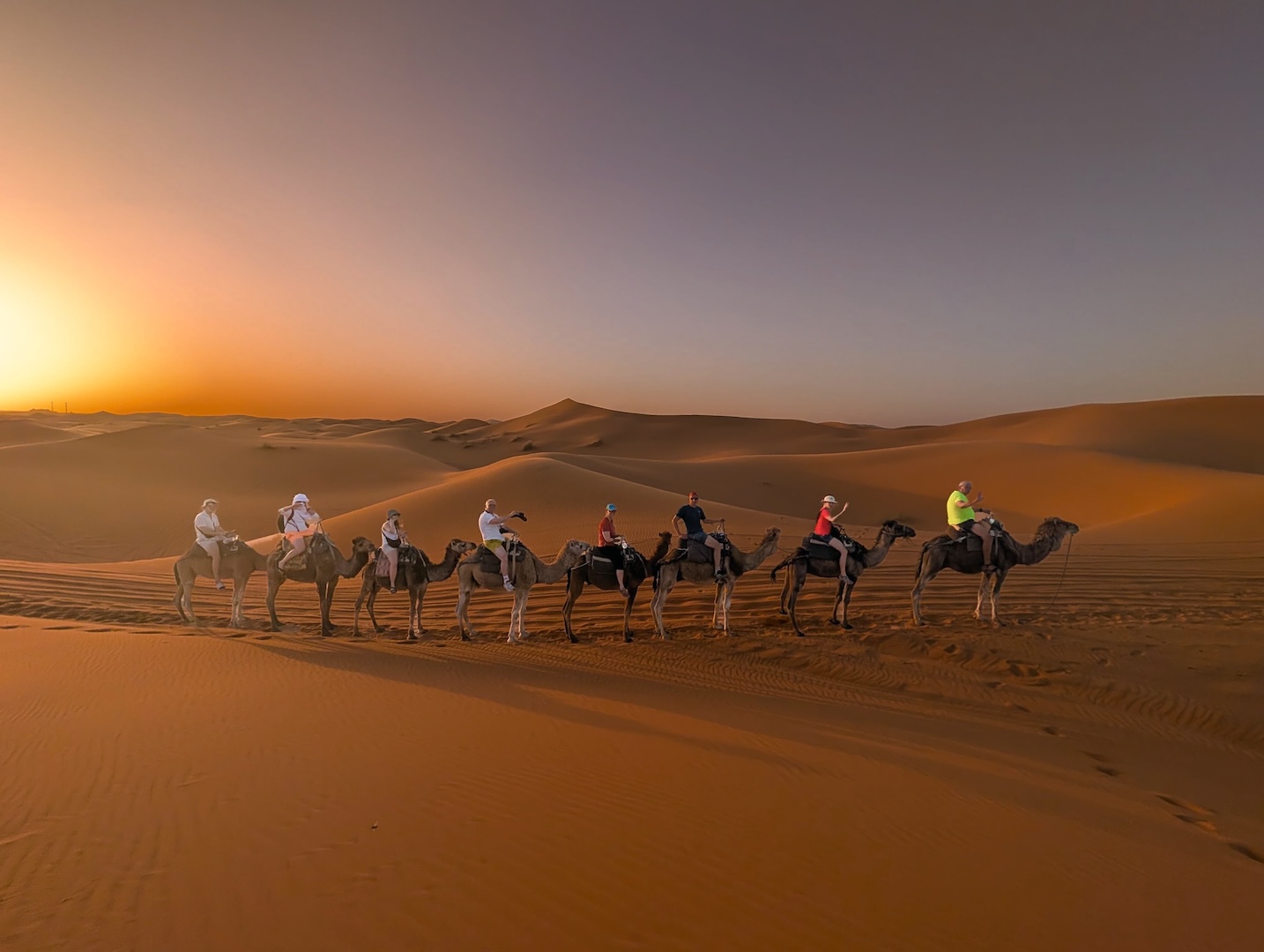
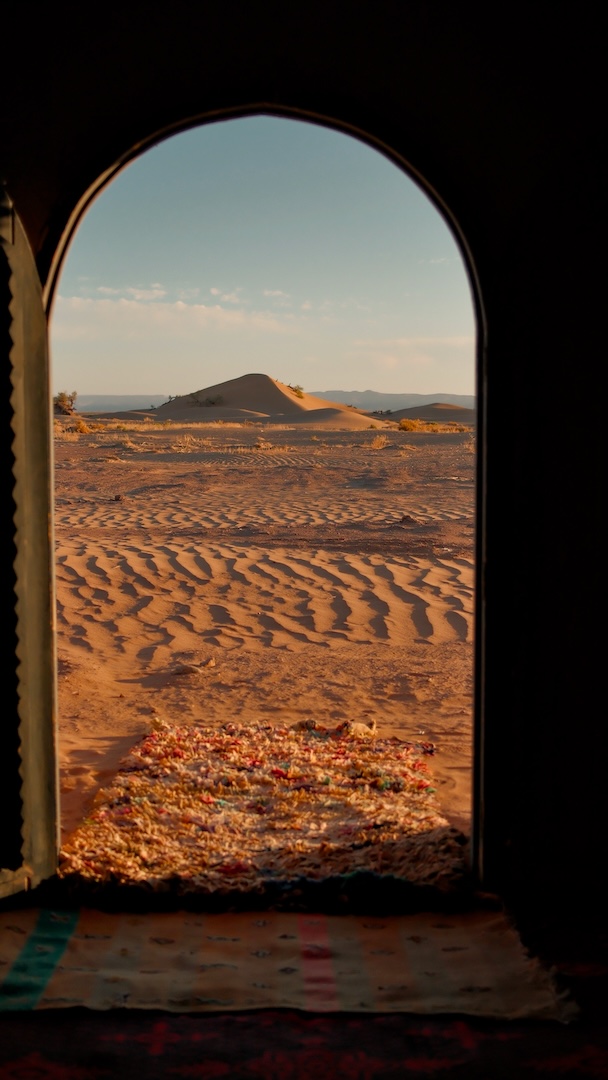
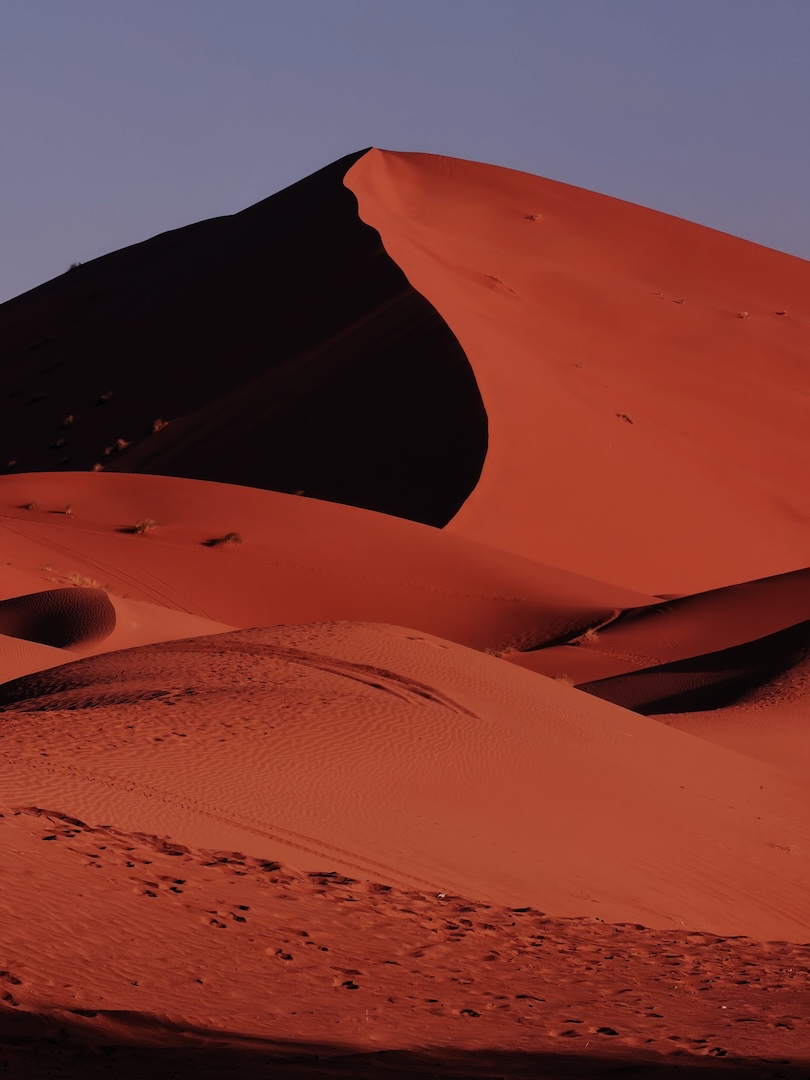
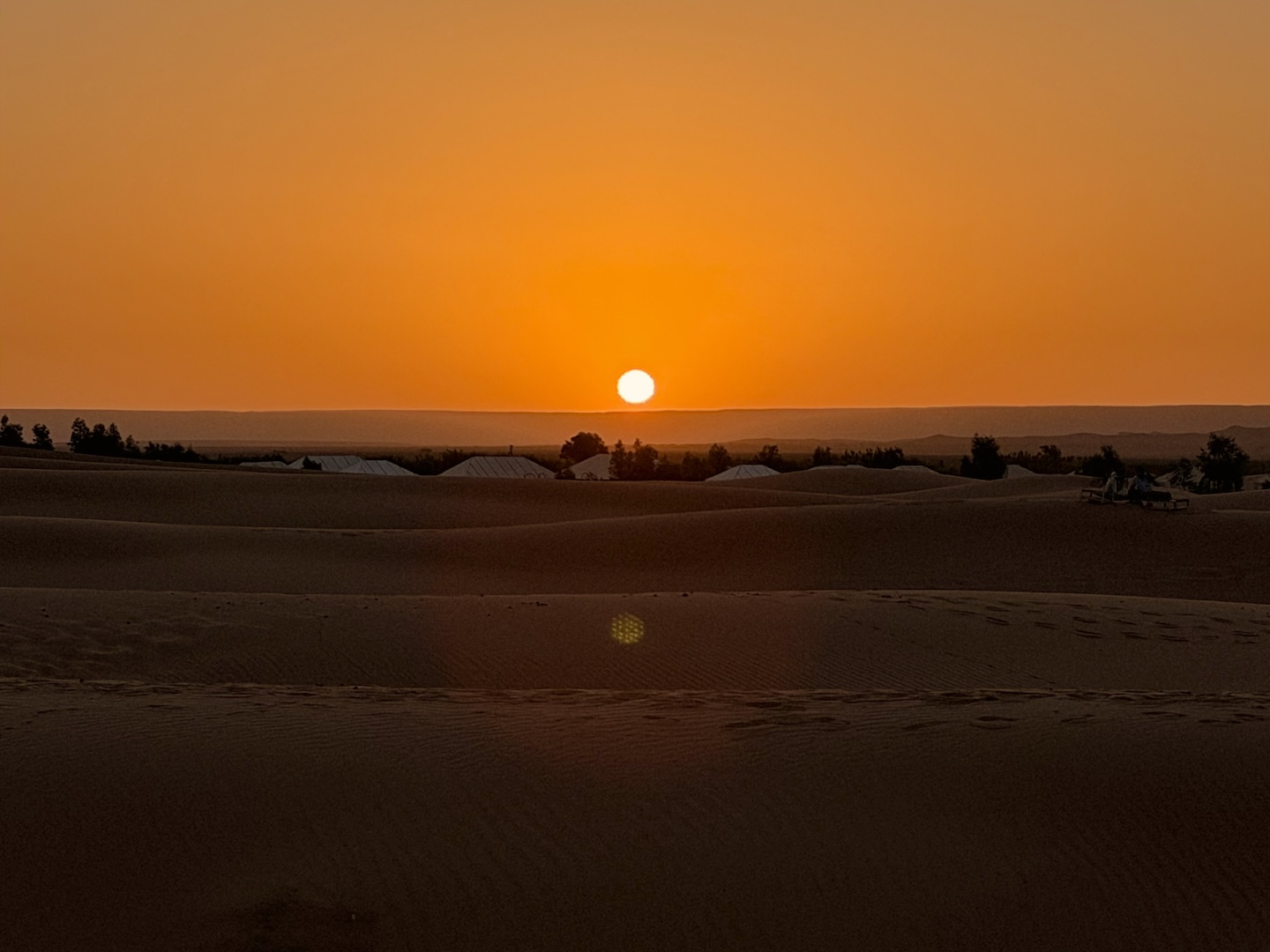
At sunset the camel caravan sets off: a dozen or so animals, us on their backs, an hour to an hour and a half at a calm pace into the dunes of Erg Chebbi. The second luxury camp of this route: different dunes, the same silence. This time the sky above you grows with every hour.
Caravan
Around 12 camels, 1–1.5 h at a gentle pace
Erg Chebbi: Morocco's most famous erg, dunes up to 150 m
Camp: luxury camp in the dunes
Overnight: Merzouga luxury camp (Erg Chebbi)
Overnight: hotel in the Dades Valley
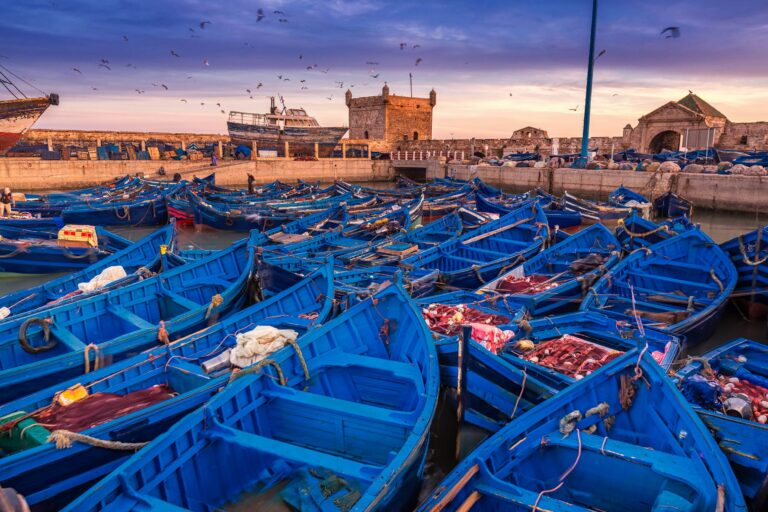
A long driving day: from the Atlas Mountains to the Atlantic coast, through Marrakech, to white Essaouira. Once Mogador, a port of Portuguese merchants, today a white and blue town within a Portuguese fortress, where the ocean wind washes away the desert dust. Arrival in the evening and a seafood dinner straight from the harbour.
Overnight: riad in the Essaouira medina
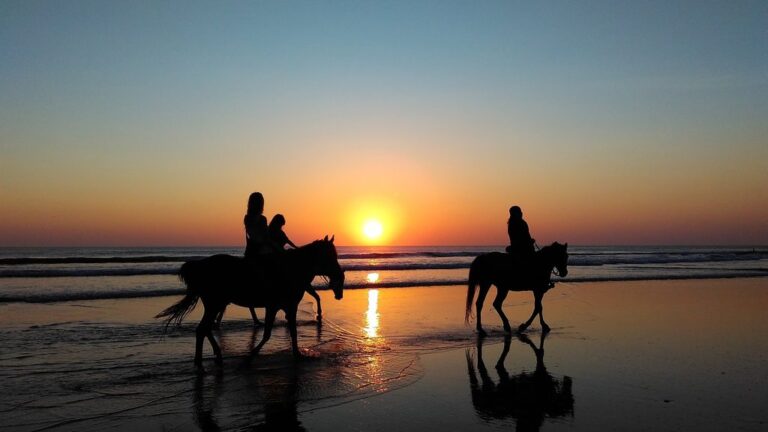
Optional: horse riding on the beach
Overnight: riad in the Essaouira medina
Marrakech: medina walk with a local guide
Evening: farewell dinner
Overnight: riad in the Marrakech medina
Transparent, no asterisks.
- Meals: 3 full meals a day during the mountain stage
- Soft drinks with meals
- All transfers (car, bus, camels) as per the itinerary
- Traditional hammam ritual in Aroumd
- Riads or hotels in Marrakech, minimum 3*
- Mountain refuge during the Jebel Toubkal trek
- A night in a Berber camp in the Sahara
- An Explorea leader throughout the expedition
- Flights
- Alcoholic drinks
- Personal expenses and souvenirs
- Tips for local guides, drivers and staff
- Travel insurance
- Lunches
What you need to know before you apply.
Level 4/5. For people aged 25–65 with regular physical activity. The hardest day is Toubkal: 8–10 h of trekking and 1,400 m of elevation gain. We recommend 2–3 months of preparation: stair climbing and weekend treks.
Visa: not required for EU citizens (up to 90 days).
Passport: valid for at least 6 months from entry.
Vaccinations: none mandatory; we recommend hepatitis A and B and tetanus. Consult a travel medicine doctor 4–6 weeks before departure.
February: 15–22°C in Marrakech, –15°C at night and 18°C by day on Toubkal, –5°C at night and 18°C by day in the Sahara. A layering system is essential. You receive the full equipment list after booking. Expedition sleeping bags are provided.
Frequently asked questions about this expedition.
No previous mountaineering experience is required, but good physical fitness is essential. The trek involves steep ascents and significant elevation gain. The better your conditioning, the more comfortable the expedition will be.
EU citizens can enter Morocco without a visa for stays of up to 90 days. You only need a passport valid for at least 6 months from the date of entry.
There are no mandatory vaccinations, but tetanus, hepatitis A, hepatitis B and typhoid are recommended. It is also worth consulting a travel medicine doctor 4–6 weeks before departure.
In summer (June–September) summit temperatures can drop to 0°C at night and stay around 10–15°C during the day. Spring and autumn are cooler, and in winter (December–March) there is snow on the trail and temperatures can fall below –10°C.
Yes. Toubkal can only be climbed with a licensed mountain guide. There are no additional permits to buy; we arrange everything as part of the expedition price.
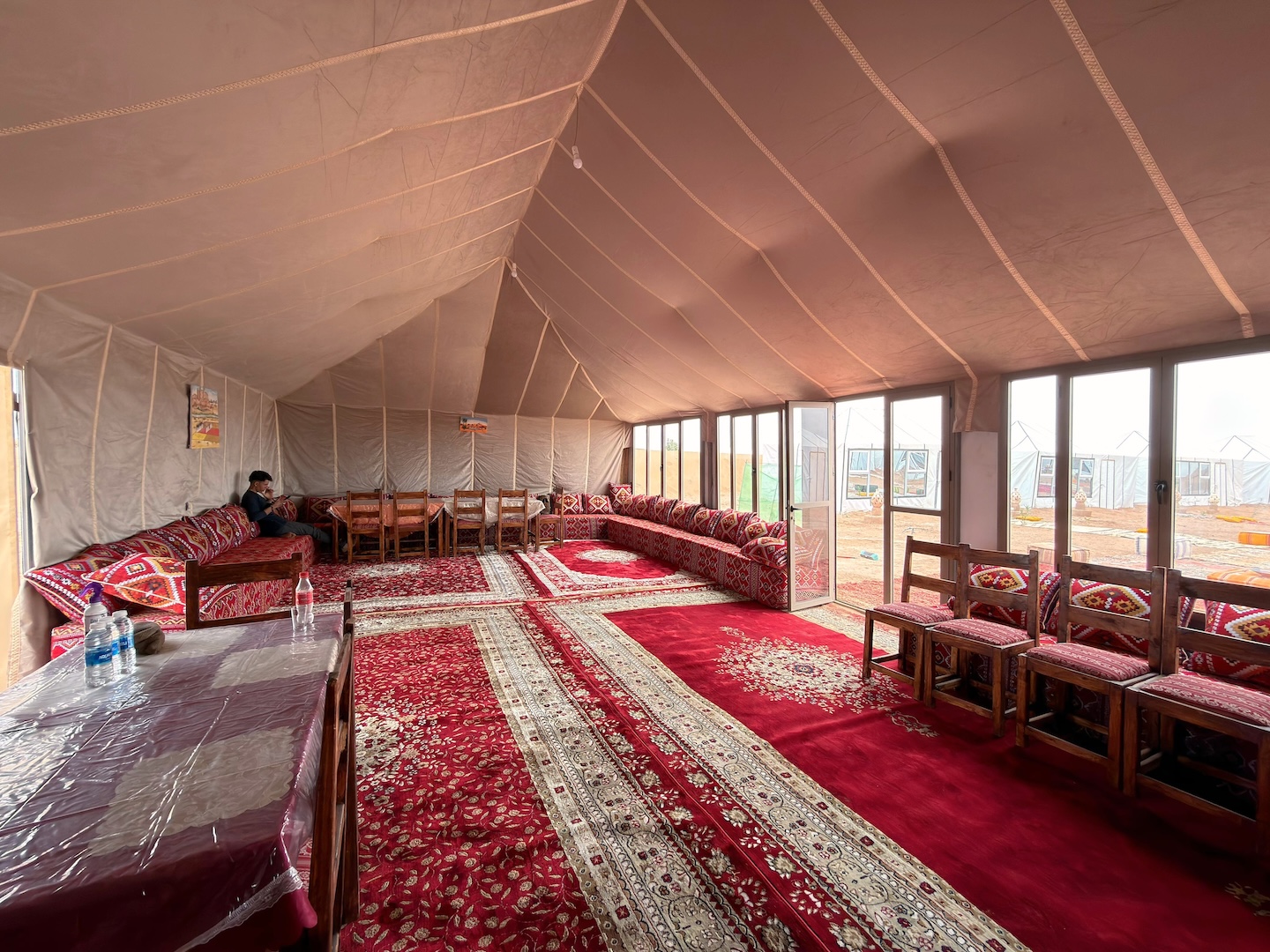
You sleep in a Berber camp in the dunes of Erg Chebbi: tents with real beds, rugs and cushions. Toilets and showers are available, though in a simpler form. It is an authentic desert experience, not a luxury hotel.
We use trusted places: riads, 4* hotels and restaurants we have tested ourselves. If you have a sensitive stomach, avoid tap water and unpeeled fruit. It is worth packing basic medication for stomach upsets.
The cancellation policy depends on when you notify us: the earlier, the lower the fee. Details are set out in the agreement. We recommend taking out cancellation cost insurance.
The world we saw together.
Where we operate
Not a form. A conversation.
Call us or leave your details and we will call back within 24 hours. In the first conversation we listen rather than sell. We will tell you honestly whether this expedition is for you or whether it is better to look for something else.
After the call: the decision is yours. No pressure.


